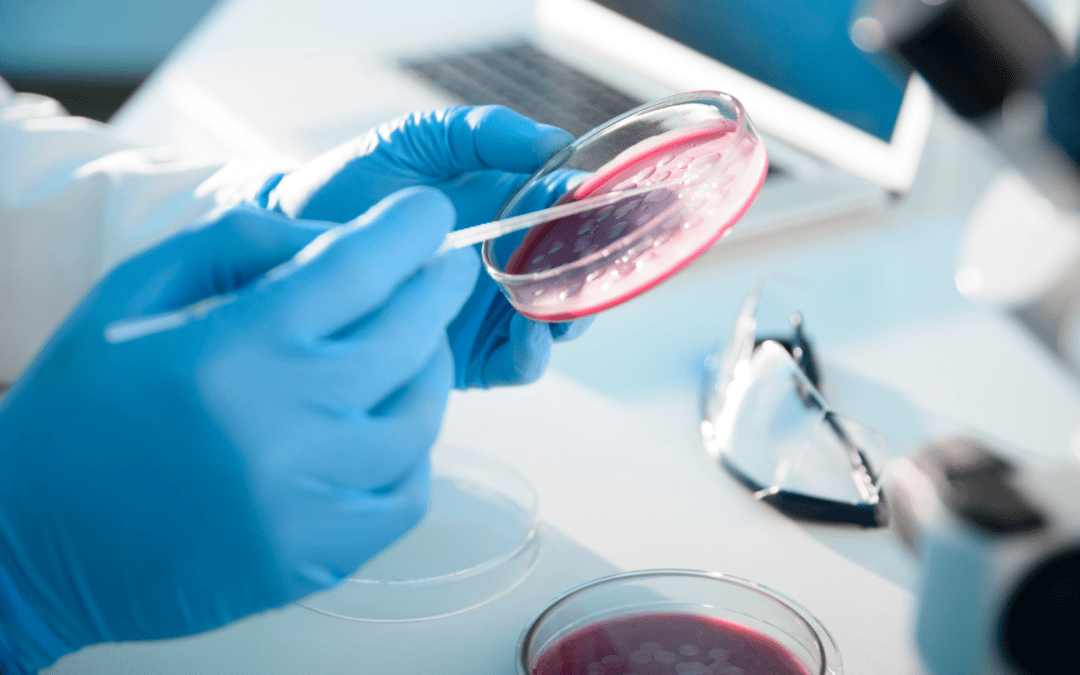
As the new year begins, organizations involved in manufacturing products, medical devices, or compounding drugs must critically evaluate the environments in which these activities take place. A thorough assessment of annual surveillance data is crucial to identify potential issues and guide future strategies and plans for the cleanrooms. Key considerations include:
- Environmental Changes: Have there been shifts in the microbial profile or environmental conditions?
- Impact of Staffing: Have changes in personnel affected aseptic practices?
- Trends in Organisms: Are there spikes in specific microorganisms, and what are their root causes?
- Regulatory Compliance: Are current practices aligned with internal documentation and external regulatory requirements, such as Annex 1, USP 797, USP 800, or ISO 14171?
- Sampling plan and frequency: Are you sampling too little or too much? Are you evaluating the RIGHT sites and altering them when needed? Do you test ALL samples on the same sampling cycle? OR DO YOU SCHEDULE AND PREPARE THE ROOM FOR TESTING?
The beginning of 2025 marks an opportunity to solidify answers to these questions and implement corrective actions and continuous improvements if the process is going well. Organizations with a clear understanding of their environmental data can proactively manage risks rather than reactively climb your way out of trouble and costly mistakes. Micro Management is available to assist in developing trend reports, identifying anomalies, and providing effective corrective action plans to support your objectives.
Compliance with Annex 1 Guidelines for Pharmaceutical, Biotech, ATMP and Vaccine Companies
For organizations following Annex 1, it is essential to evaluate the effectiveness of the year’s contamination control strategy and risk assessments. Specific attention should be given to some of the elements outlined in Section 2.5, including:
- Facility Design
- Premises and Equipment
- Personnel
- Raw Materials
- Cleaning and Disinfection
- Process Risk Assessment
- Preventive Maintenance
Moreover, organizations should review Section 2.5 (XIV–XVI) to ensure robust monitoring systems, trending analysis, preventive measures, and a commitment to continuous improvement. Your Trending report will help answer how some areas described in
Environmental Monitoring and Trending
Trending environmental data—such as surface, air, equipment, compressed air, gas, and water samples—provides critical insights into process control. This evaluation helps identify anomalies and trends that may indicate underlying issues.
Key actions include:
- Establishing meaningful bioburden alert levels.
- Identifying potential issues early through data analysis.
- Adjusting environmental monitoring (EM) plans based on trends and accurate organism recovered.
Micro Management can provide tailored recommendations for interpreting trends and setting proactive measures to enhance environmental control.
Sterile Compounding and Medical Device Considerations
For sterile compounding clients, reviewing environmental monitoring data alongside personnel monitoring and media fill results is essential to detect correlations. In medical device companies where there is usually an abundance of bacillus and human flora recovered, periodically characterize your organisms found in your facility.
In pharmaceutical and biotech sectors, site evaluations often guide sampling strategies. However, many medical device companies, sterile compounding facilities, and hospital must ensure their sampling locations and surfaces are appropriately chosen and periodically reassessed based on data trends.
Critical questions include:
- Have sample plans been adjusted based on environmental monitoring results or a risk assessment?
- Are sampling activities conducted under representative conditions?
- Does documentation capture the pre-sampling condition of the environment, providing an accurate assessment of premises, equipment, and personnel?
Conclusion
Strategic planning for the new year requires a focus on the small details that may escalate into larger issues. By leveraging data-driven insights, organizations can maintain compliance, enhance operational efficiency, and strengthen environmental controls.
Micro Management specializes in assisting organizations with these critical processes, offering expertise in data review, anomaly identification, and corrective action planning. Together, we can address the micro-level concerns that underpin macro-level success.